Topic Brief: TempleOS is an open-source 64-bit operating system created by Terry Davis and designed to be the Third Temple prophesied by ... Julia is a dynamic general purpose programming language popular for scientific computing and big data analytics.
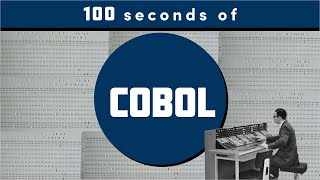
Cobol In 100 Seconds - Quick Context
Overview
TempleOS is an open-source 64-bit operating system created by Terry Davis and designed to be the Third Temple prophesied by ... Julia is a dynamic general purpose programming language popular for scientific computing and big data analytics. Fortran is the world's first high-level procedural programming language developed at IBM in the 1950's.
Background Notes
Elixir is a dynamic functional programming language built on top of the Erlang BEAM virtual machine. Lisp is world's second high-level programming language and is still used to build software today. Perl is a dynamic scripting language popular among system administrators and web developers.
Important Notes
Details about Cobol In 100 Seconds.
Helpful Reminders
Reader notes for this topic.
Important details found
- TempleOS is an open-source 64-bit operating system created by Terry Davis and designed to be the Third Temple prophesied by ...
- Julia is a dynamic general purpose programming language popular for scientific computing and big data analytics.
- Fortran is the world's first high-level procedural programming language developed at IBM in the 1950's.
- Elixir is a dynamic functional programming language built on top of the Erlang BEAM virtual machine.
- Lisp is world's second high-level programming language and is still used to build software today.
Why this topic is useful
Readers often search for Cobol In 100 Seconds because they want a clearer explanation, related examples, and a practical way to continue exploring the topic.
Helpful Reminders
How should readers use this information?
Use it as a starting point, then open related pages for more specific details.
What should readers check next?
Readers should check related pages, official references, or updated sources when details matter.
Why are related topics included?
Related topics help readers compare nearby references and understand the broader subject.